Ferrous Soil Transfer and Chelating Extraction
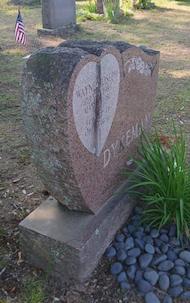
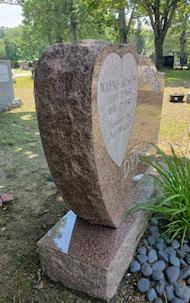
Montgomery County terrain consists of red clay. This dirt contains high iron levels. Rain hits the wet ground. The impact throws red mud against the granite monument bases. The porous stone absorbs the liquid water. The surface dries. The iron oxide stays inside the rock. The base turns bright orange. Standard soap cannot remove iron. Acid damages the granite polish. We utilize chelating chemicals. The chemical paste targets the iron. It pulls the metal particles out of the stone. We rinse the base. The original gray color returns. The extraction process requires specific dwell times. We monitor the chemical reaction. We prevent chemical overexposure. We neutralize the stone after extraction. People requiring headstone cleaning Germantown hire our field crews. We clean cemetery stones safely.
Lichen Colonization and Biological Eradication
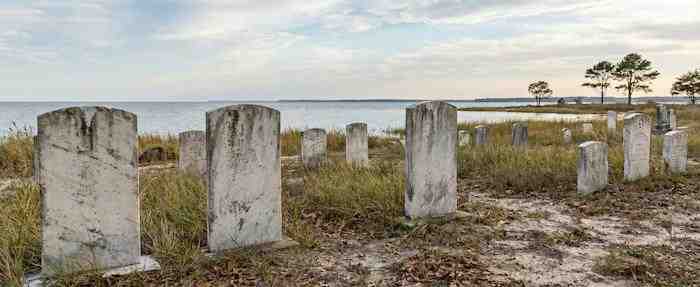
Local historic plots contain soft sandstone markers. These stones absorb ambient moisture. Lichen colonizes the wet surface. The growth covers the engraved names. The organism secretes acidic compounds. The acid dissolves the stone binder. The rock turns soft. Physical scraping tears the stone apart. We deploy liquid biocides. We spray the chemical directly onto the lichen. The biocide penetrates the biological root system. The organism dies completely. The dead growth detaches from the stone over time. Rain washes the debris away. We protect the fragile sandstone. Historic markers lack structural density. The biocidal approach requires zero mechanical pressure. We saturate the stone face from bottom to top. This prevents uneven chemical runoff. We let the product dwell. We verify the complete biological eradication. We provide commercial tombstone cleaning services.
Construction Silica Particulate and Water Flushing
Continuous regional construction creates airborne particulate. The wind pushes silica dust into the cemetery grids. The dust settles on polished granite monuments. Morning dew turns the dust into a hard crust. Wiping the dry crust causes immediate damage. The silica scratches the factory mirror polish. We utilize water flushing techniques. We flood the monument face. The water breaks the crust. The liquid floats the abrasive grit. We apply commercial surfactants. We clean the stone without surface friction. We restore the reflective finish safely. Commercial equipment operators generate this dirt. The cemetery lacks natural windbreaks. We bring dedicated water tanks to the site. We avoid cemetery water supplies. We control the water pressure precisely. We dry the stone using microfiber materials. We inspect the polish for micro-abrasions.
Clay Expansion and Foundation Correction
The local soil profile holds massive water volumes. This clay expands during winter freezing cycles. The ground pushes concrete footings upward. Spring temperatures thaw the mud. The soil contracts rapidly. The heavy granite drops into the resulting voids. The monuments tilt off center. A leaning stone creates structural shear stress. The factory mortar joints fail. The top block separates from the base. We handle monument repair and restoration. We manage heavy cemetery monument foundation lifting. Field crews use gantries to hoist the granite blocks. We excavate the unstable clay entirely. We pack angular crushed stone into the trench. The gravel facets lock tightly. The rock pad provides static support. It drains water instantly. We reset the monument perfectly level. We dismantle the loose tiers. We clean the old mortar. We inject flexible structural epoxy. We secure the monument permanently. We check the final plumb alignment with digital tools.
Moss Accumulation and Spore Neutralization
Dense tree canopies block the sun in older sections. The shaded stones stay wet continuously. Thick moss grows across horizontal ledger stones. The moss layer acts as a wet sponge. It holds standing water against the granite. Winter temperatures freeze this trapped water. The ice expands forcefully. The ice cracks the stone surface. We operate professional grave site cleaning services. We scrape the heavy moss off manually. We apply heavy industrial biocides. We kill the microscopic spores inside the rock. We sterilize the stone to delay future growth. Darnestown plots feature heavy tree coverage. The lack of UV radiation accelerates the mold. We bag the removed moss. We haul the biological waste offsite. We do not leave organic debris on the grass. We clear the engraved channels using soft detailing brushes. We apply the chemical sterilizer. We execute detailed cemetery plot maintenance.
Adjoining Elements and Logistics
We execute complete structural plot care. We manage bronze memorial refinishing for oxidized metal plaques. We run precise monument inscription repainting for faded text. We clear vegetation around the plot perimeter.
Pricing is transparent. Clients searching for a gravestone cleaner near me access our exact rates instantly. You check the numbers on our digital booking platform or the Tending mobile tracking application. The logistics team finds the grave. On-site crews perform the manual labor. We upload a final timestamped photo to the client portal. We complete the job. You receive an upfront flat rate. We do not charge hidden fees. We secure the required cemetery work permits. We carry commercial liability insurance. We protect the surrounding turf during the work. We clean the job site completely.
- Iron Extraction: We draw red clay rust stains out of granite using chelating agents.
- Lichen Eradication: We kill biological growth on porous sandstone using biocides.
- Silica Washing: We float construction dust off polished stone using surfactants.
- Foundation Lifts: We hoist tilted markers out of wet clay and pack crushed rock bases.